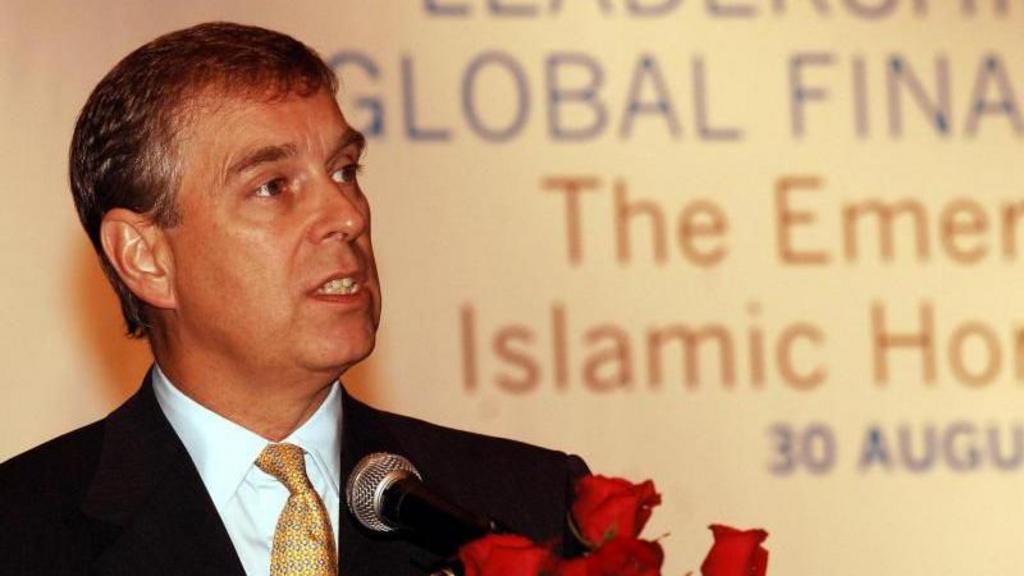
The United Kingdom government has released previously classified documents detailing the activities of Prince Andrew in his capacity as the UK's Special Representative for International Trade and Investment — a role he held from 2001 until his resignation in 2011 following the first wave of Epstein-related scandal. The files, released following sustained pressure from parliamentarians and Freedom of Information campaigners, reveal a pattern of overlap between Andrew's official trade promotion duties and his personal social network — a network that, the documents make clear, included regular contact with Jeffrey Epstein during the years of his most intense official activity.
Andrew served as the UK's trade envoy for a decade, traveling extensively on official business and representing the British government at commercial and diplomatic events around the world. The role gave him access to heads of state, government ministers, and business leaders across multiple continents, and it was used, the released files suggest, in ways that blurred the line between official diplomatic function and personal relationship cultivation in ways that were apparent to officials at the time.
The Trade Envoy Role: What the Files Show
The released documents include internal Foreign Office and Department for Trade and Industry communications discussing Andrew's activities in his trade envoy capacity, including expressions of concern from officials about the management of his personal associations and their potential to create difficulties for the UK government. Several of these internal communications reference Epstein specifically, and they date from periods when the nature of Epstein's activities was already becoming known in certain circles.
Particularly striking are documents showing that British officials were aware of the reputational risks associated with Andrew's Epstein connection years before those risks became a matter of public controversy. Internal emails from the mid-2000s discuss how to manage Andrew's public schedule in ways that minimized the visibility of his Epstein association, suggesting that the concern was not about the substance of the relationship but about its optics — a distinction that critics have described as emblematic of an institutional culture that prioritized reputation management over accountability.
The files also document the use of Andrew's trade envoy status in ways that appear to have benefited Epstein's financial network. Several of Andrew's official travel engagements intersected with countries and individuals who were also associated with Epstein's financial activities, and the documents raise questions about whether the trade envoy platform was used, wittingly or otherwise, to facilitate introductions and relationships that served Epstein's interests.
Resignation Under Pressure: The 2011 Departure
Andrew resigned the trade envoy role in July 2011, following the publication of a photograph showing him walking in Central Park with Epstein — who had by that point completed his 2008 prison sentence and registered as a sex offender — and increasing media scrutiny of the relationship. The resignation was described by Buckingham Palace as voluntary. The released documents suggest a more complex picture, with officials from multiple government departments expressing concern about the reputational impact of Andrew's continued association with Epstein and, in at least one document, making clear that his position was becoming untenable.
The files also reveal that Andrew's departure from the trade envoy role did not end the governmental attention to his Epstein connections. Subsequent documents from 2012 and 2013 discuss the management of information related to Andrew's travel history with Epstein and the handling of inquiries from journalists who were pursuing the story years before it became a major public controversy. The picture that emerges is of a sustained institutional effort to manage the Epstein problem without ever fully confronting it.
The Current Political Implications
The release of the trade envoy files has renewed calls for a full public inquiry into Andrew's conduct, both in his official capacity and in his personal associations with Epstein and Maxwell. Several senior MPs have argued that the files demonstrate that the British government had knowledge of the potential seriousness of Andrew's Epstein connection that was not disclosed to the public, and that this non-disclosure represents a failure of accountability that demands a formal reckoning.
The Palace's response has been limited to a statement noting that Andrew stepped back from royal duties in 2019 and that the matters raised in the documents are historical. Critics have noted that "historical" is not the same as resolved, and that the ongoing civil and potential criminal proceedings related to Andrew's conduct make the distinction between historical and current considerably more complicated than the Palace's statement implies.
The release of the trade envoy files is one more piece of a documentary record that is becoming increasingly difficult for the institutions involved to manage with the tools of reputation management alone. The American Reveal will continue to report on all developments.