Trump promised during the 2024 campaign to release the Epstein files as proof that the government was run by corrupt elites hiding the truth—but now that he controls the Justice Department, he's systematically withholding the most damaging documents, refusing to unredact names of people who discussed underage girls with Epstein, defying court orders to release information, and using legal arguments to delay and obstruct, while the media has largely moved on to other stories, allowing him to bury the files without the same scrutiny he faced over other cover-ups.
The Promise vs. The Reality
During the 2024 election, Trump campaigned on releasing the Epstein files. It was a centerpiece of his argument that Washington was corrupt and that he would "drain the swamp." He said the government had been hiding the truth about Epstein's associates. Voters bought it. Media covered it. Activists pushed for it.
Congress even passed the Epstein Files Transparency Act in November 2025 with a deadline of December 19, 2025 for the Justice Department to release everything.
Trump took office in January 2026 and immediately released millions of pages of files—creating the appearance of transparency while simultaneously ensuring the most damaging documents remained heavily redacted or withheld entirely.
What's Actually Being Hidden
Federal Judge Emmet Sullivan ordered the Trump administration to release unredacted documents and names. The DOJ refused. Acting Attorney General Todd Blanche's office filed papers arguing they had "devoted incredible time and resources" to reviewing documents but would continue withholding critical information.
What information? Names of people in emails discussing underage girls. Specifically:
An email saying "New Brazilian just arrived, sexy and cute, 19yo"—the sender and recipient names are redacted.
An email saying "Your littlest girl was a little naughty"—redacted.
An email asking "The key are the 14 to 15 year old girls—i am a sexual pervert because i say they are now of a reproductive age?"—redacted.
Another email: "I loved young girls but we was so tired. I will cover up this week."—redacted.
These aren't vague references. These are explicit discussions of child sexual abuse. And the Trump administration is refusing to tell you who wrote them or who they were sent to.
The judge also ordered the release of names from a draft 2007 indictment listing "co-conspirators" in Epstein's criminal enterprise. Four of five names are redacted. Only Ghislaine Maxwell is named. The Trump DOJ refuses to unredact the others.
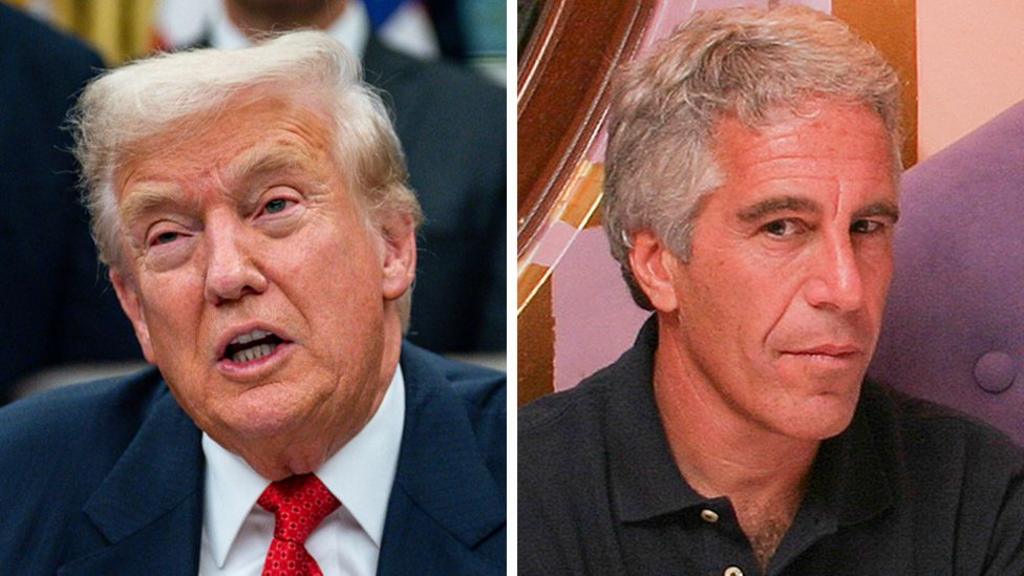
Why This Matters
CBS News analyzed the index of 5,000 documents that were supposed to be released. More than 70 percent of them could not be located in the public archive using their assigned document numbers. The DOJ claims these were duplicates. But that's never been independently verified.
Additionally, interview notes from a woman who says she was sexually assaulted by Trump when she was 13 or 14 remain heavily redacted. The FBI apparently interviewed her multiple times and found the allegations credible enough to document. But the underlying notes—not the summaries, but the actual notes—remain classified.
There are also gaps in Epstein's email archive. The files include screenshots of his inbox, but the sender and recipient fields are heavily redacted during the early 2000s—the exact time period when Epstein was recruiting underage girls and when Trump and Epstein were known to be in contact through New York and Palm Beach social circles.
The Legal Obstruction
Judge Sullivan has repeatedly ordered the Trump administration to comply with the Epstein Files Transparency Act. The administration has repeatedly refused or delayed. When Sullivan ordered compliance by July 2, the DOJ filed papers on the deadline itself arguing they shouldn't have to comply.
The legal argument is cynical: they claim some redactions protect victim privacy, some protect ongoing investigations, some are duplicates. But Sullivan has already found that the DOJ is violating the law. He noted that "the Epstein Files Transparency Act required the Attorney General to produce the documents and publish the log by December 19, 2025—more than six months ago."
The Trump administration is now appealing and asking for 60-day delays. Each delay pushes the story further into the past.
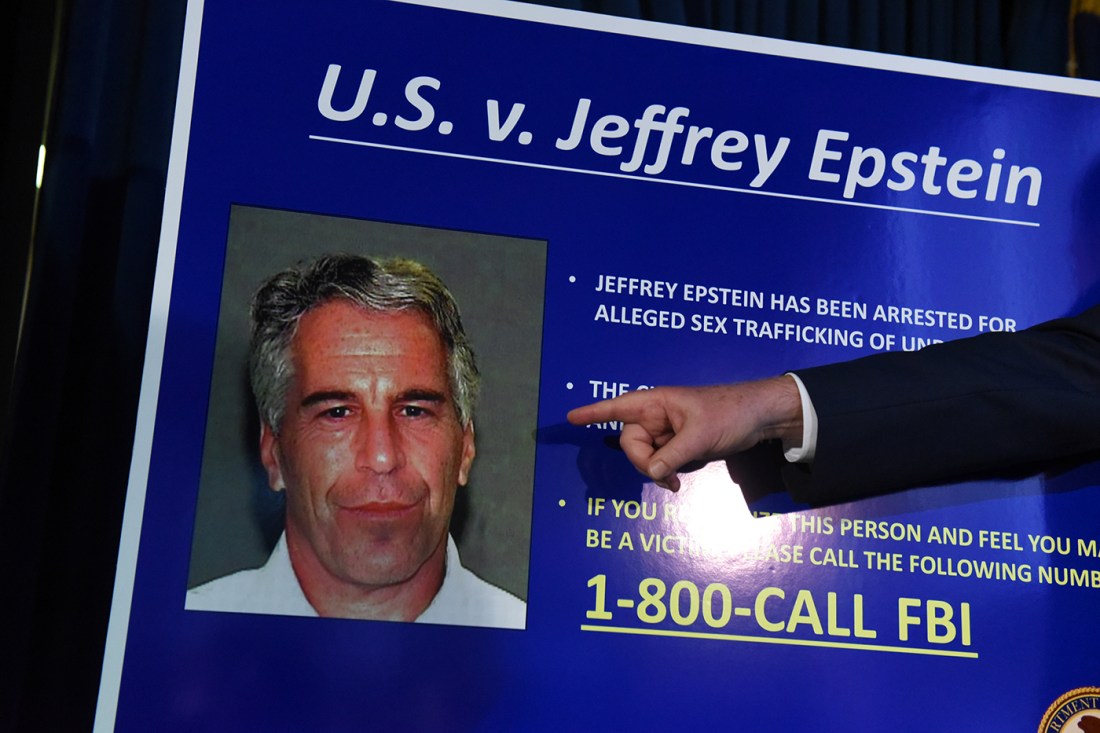
Why The Media Has Moved On
Here's the critical part of this story: the media has largely abandoned the Epstein files coverage. It was huge in January when Trump first released the files. Now, six months later, it's mostly disappeared from the news cycle.
Think about why: The story lacks a clear protagonist. Epstein is dead. Maxwell is in prison. The allegations involve powerful people whose names are redacted. Without names, the story becomes abstract—"government withholds files"—which doesn't generate the same outrage as "CEO covered up abuse" would.
Meanwhile, Trump is actively generating new political crises—the Iran war, USMCA rejection, crypto wealth, Supreme Court decisions—that command media attention.
The Epstein files get relegated to the back pages. A federal judge orders the government to comply with law. The Trump administration defies it. Journalists report it. Then the story dies because there's no obvious person to hold accountable and no new revelations that break through the noise.
The Conspiracy Theory That's Actually Grounded in Reality
People are increasingly convinced that Trump is using his control of the Justice Department to protect himself and his associates from Epstein exposure. Is that a crazy conspiracy theory?
Not really. Here's what we actually know:
Trump promised to release the files
Trump now controls the DOJ
The DOJ is systematically withholding documents that mention Trump
The DOJ is refusing to unredact names of people discussed in emails about underage girls
A federal judge has found the DOJ is violating the law
The administration is fighting the judge's orders
You don't need a conspiracy theory. The facts are sufficient.
Trump is using the Justice Department to keep information from the public. That's not speculation. That's documented.
What Comes Next
Judge Sullivan will likely continue ordering compliance. The Trump administration will continue appealing and delaying. Eventually, some documents may be released after the midterm elections, when the political damage is minimized.
Congress could subpoena the files, but Republicans control the House and don't seem interested in investigating the president.
The 73 percent of Americans who believe the government hasn't released all Epstein information are correct. The government, under Trump's direction, is actively hiding documents.
The Bigger Picture
Trump weaponized the Epstein files during the campaign as a symbol of government corruption. Now that he's in power, he's using the government to hide the truth. It's a perfect encapsulation of his presidency: he accuses others of the crimes he then commits.
The media has moved on because the story is depressing—it shows that even with millions of pages released, powerful people can still hide the truth through legal obstruction and bureaucratic delay.
But the obstruction itself is the story. The Trump administration's refusal to comply with a law that Congress passed, a judge's orders, and basic principles of transparency—that's the scandal.
It's just not getting the coverage it deserves.