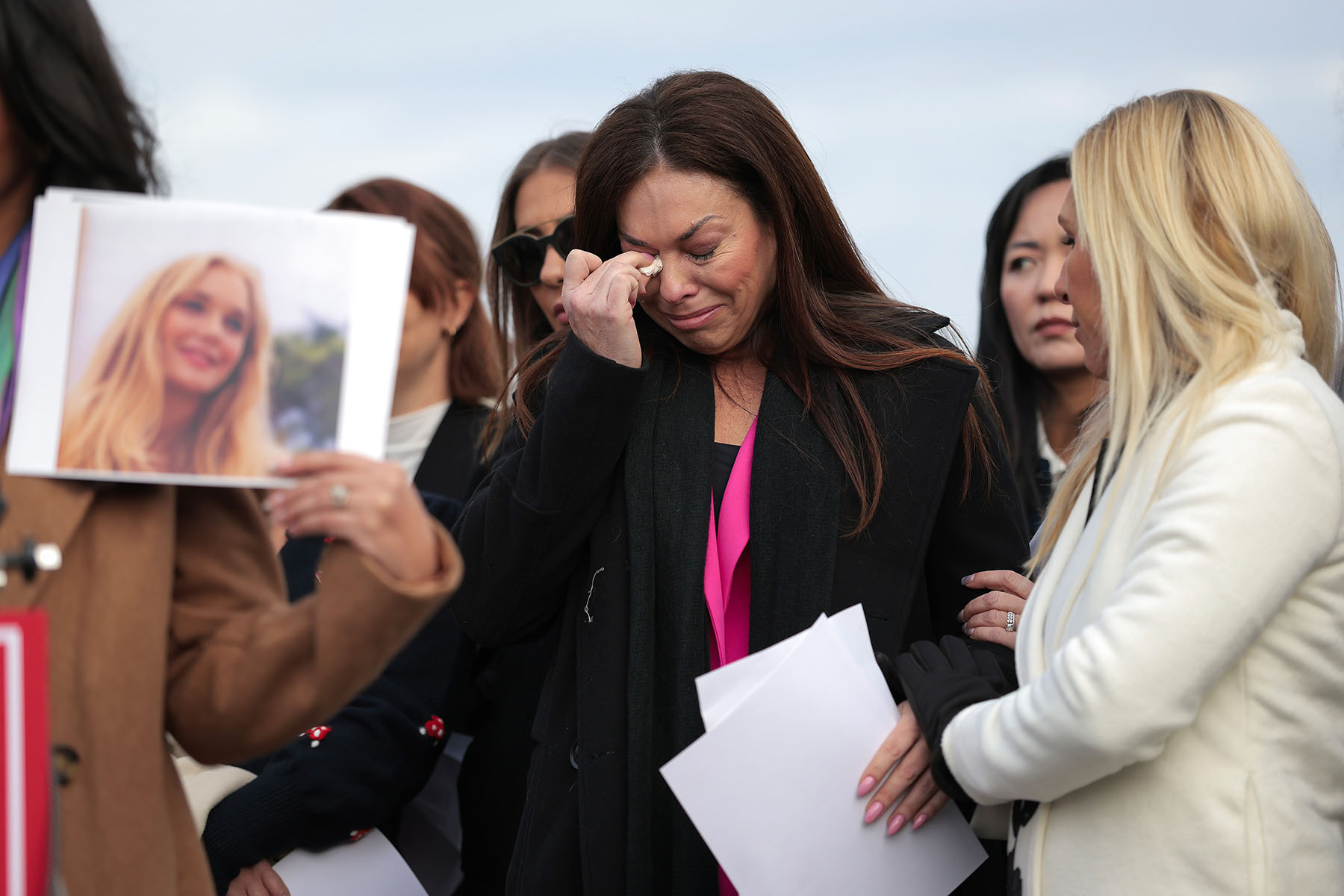
Six women who survived Jeffrey Epstein's sex trafficking network addressed members of Congress in a historic closed-door briefing that participants have described as one of the most powerful and disturbing sessions that any of them have attended in years of public service. The briefing, organized by the Senate Judiciary Committee and attended by members of both parties, was described by participants as a watershed moment in the long and frustrating effort to bring the full story of Epstein's network — and the institutional failures that enabled it — before the people's elected representatives.
The testimony was delivered in closed session at the request of the survivors, who cited concerns about personal safety and the ongoing sensitivity of some of the information they intended to provide. Several of the survivors have been subjects of surveillance and intimidation in the past, and their legal representatives negotiated the terms of the briefing carefully with committee staff to ensure that the setting provided genuine protection. One lawmaker was seen leaving the room before the session concluded, visibly shaken, and did not return.
Who the Survivors Are
The six women who addressed Congress represent a cross-section of Epstein's victim pool — different ages, different backgrounds, different entry points into the network, different years of abuse. They include at least two women whose names have been publicly known for years through their roles in civil litigation, and at least two who have never before spoken on the record to any official body. Their collective testimony spans more than two decades of Epstein's criminal activity, from the mid-1990s through the years immediately preceding his 2019 arrest.
Virginia Giuffre, whose civil litigation against Ghislaine Maxwell produced many of the documentary disclosures that have driven public understanding of the case, was among the six. Giuffre has testified in various legal proceedings over the years, but her congressional briefing was described by participants as the most comprehensive and systematic account of her experience and of the network she was trafficked through that she has ever given to an official body. Her account of specific individuals, specific events, and the mechanisms by which complaints were suppressed and victims were silenced was described by senators present as devastating.
What the Testimony Covered
Participants in the briefing who spoke to reporters afterward were constrained in what they could disclose by the closed-session format and by agreements with the survivors' legal representatives. But several lawmakers described, in general terms, the categories of information the briefing addressed.
The testimony covered the mechanics of recruitment — how young women and girls were brought into Epstein's orbit, who facilitated that recruitment, what promises were made and what coercion was employed. It covered the activities that took place at Epstein's various properties, including specific descriptions of specific events involving specifically named individuals. It covered the aftermath — the payments made, the threats issued, the legal machinery deployed to manage and silence victims who attempted to come forward.
Perhaps most significantly for the lawmakers present, the testimony addressed the question of what government officials knew and when. Several of the survivors had, at various points in their experiences, contact with law enforcement officials — local, state, and federal — who they allege were aware of aspects of Epstein's activities and took no meaningful action. The specific officials named in this portion of the testimony have not been publicly identified, but the characterization of the testimony by senators who were present suggests that the alleged failures of official duty described were substantial.
The Congressional Response
The reaction from members of Congress who attended the briefing was unusually unified across party lines. Several senators described the experience as transformative — not in the sense that they were unaware of the broad outlines of the Epstein story, but in the sense that hearing the accounts of survivors directly, in detail and in person, produced a different kind of understanding than reading documents or listening to legal arguments.
"I have been in public service for many years," said one senator, speaking on condition of anonymity because the briefing was closed. "I have been briefed on matters of national security, on human rights abuses in foreign countries, on acts of violence that the public never hears about. Yesterday was different. What those women described — what was done to them, and how the system protected the people who did it — should not be possible in this country."
The lawmaker who was seen leaving the room returned after approximately 20 minutes and has since spoken publicly, in general terms, about the impact of what they heard. They have called for immediate action — including the appointment of a special prosecutor dedicated to pursuing Epstein network accountability and the establishment of a congressional investigation with subpoena power — and have indicated an intention to introduce legislation to those ends.
What Comes Next
The congressional briefing has generated immediate political momentum. Within days of the session, bipartisan legislation was introduced in both the Senate and the House calling for the appointment of a special prosecutor, the declassification of additional Epstein materials, and the establishment of a formal congressional investigation. Whether that legislation can navigate the political obstacles that have blocked previous accountability efforts remains to be seen.
For the survivors who spent years being told that their accounts were not credible, not legally actionable, or not politically expedient, the sight of lawmakers visibly moved by their testimony — however long overdue — represents a form of validation that no legal settlement or financial award can provide. What they have asked for, consistently and persistently, is to be believed. On the day of the congressional briefing, in a closed room in the United States Capitol, they finally were.
The American Reveal will continue to report on all congressional and legal developments arising from the survivors' testimony and the broader Epstein accountability effort. The story is not over. It is entering a new chapter.