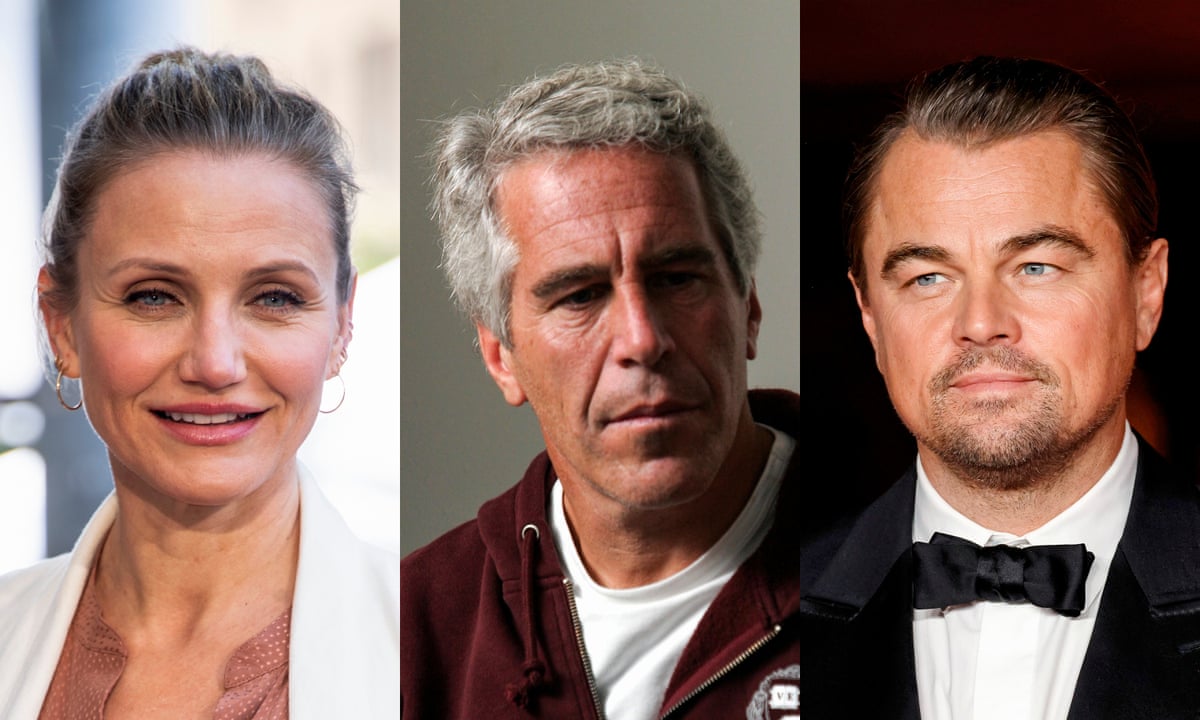
More than 300 individuals have been identified in newly released Epstein-related court documents and investigative files, according to a review of the materials by legal researchers and investigative journalists. The list — which spans sitting and former politicians, Wall Street billionaires, Hollywood celebrities, prominent academics, and European royalty — represents the most comprehensive accounting yet of the social and professional network that surrounded Jeffrey Epstein during the decades in which he operated his sex trafficking enterprise with near-total impunity.
The identification of 305 named individuals does not mean that each of those people participated in or had knowledge of Epstein's crimes. The documents reflect a range of relationships — from individuals who attended events at Epstein's properties to those who allegedly participated directly in the abuse of minors. The distinction matters legally and morally. But the sheer breadth of the list is itself a story: it is a map of how the most powerful networks in American and British society intersect, and of how those intersections can insulate even the most egregious criminal behavior from accountability.
The Anatomy of a Network
Epstein did not build his network through secrecy alone. He built it through access — the irresistible currency of the ultra-powerful. His Manhattan townhouse, his Palm Beach estate, his private island in the U.S. Virgin Islands, and his properties in New Mexico and Paris functioned as nodes in a social network that brought together people who would not ordinarily have met, and who found in those meetings opportunities — for investment, for influence, for pleasures that ranged from the legitimate to the criminal.
The financial sector is heavily represented among the 305 names. Epstein cultivated relationships with hedge fund managers, private equity executives, and investment bankers whose networks overlapped with his own. Many of these figures have claimed that their relationship with Epstein was purely professional — that they knew him as a financial manager or an interesting dinner companion, and had no knowledge of what he was doing behind closed doors. The documents, in many cases, tell a more complicated story.
Political figures appear across party lines, reflecting Epstein's deliberate cultivation of relationships with power regardless of its ideological flavor. Former presidents, sitting senators, senior administration officials from multiple administrations — the list of political figures named in the documents is a reminder that Epstein operated across the full spectrum of American political life. The documents do not, in most cases, allege that these political figures participated in criminal activity. What they show is proximity — and proximity, in the context of a known sex trafficking operation, raises questions that demand answers.
The Celebrity and Academic Dimension
The entertainment industry is represented in the documents in ways that have produced significant public attention. Several high-profile celebrities are named in connection with flights on Epstein's private aircraft, attendance at his properties, or both. As with political figures, the documents reflect a range of involvement — from individuals who appear to have had purely social relationships with Epstein to those whose connections are more troubling.
Perhaps the most surprising segment of the network, for many observers, is the academic establishment. Epstein was a significant donor to elite universities and research institutions, and he used those donations to cultivate relationships with prominent scientists, economists, and public intellectuals. Several Nobel laureates appear in the documents. So do leading figures from some of the most prestigious research institutions in the world. The willingness of academic institutions to take Epstein's money — and to continue taking it even after his 2008 conviction — is itself a story about how elite institutions handle inconvenient relationships with wealthy benefactors.
The Redaction Problem
For all its breadth, the list of 305 names almost certainly understates the true scope of Epstein's network. Significant portions of the released documents remain redacted, and the names hidden behind those black bars include, by inference, some of the most powerful individuals in the materials. The pattern of redactions is not random: it correlates with references to people in positions of significant power or public prominence, suggesting that the redaction decisions reflect judgments about whose reputation deserves protection.
Survivors' advocates have argued, with considerable force, that these judgments are themselves a form of the same elite protection that allowed Epstein to operate for so long. The public does not get to decide what it wants to know about the people who were connected to a convicted sex trafficker if those people's names are systematically removed from the public record. The accountability that the survivors were promised — repeatedly, by prosecutors, by politicians, by public officials — cannot be delivered through a process that protects the powerful from the consequences of their documented associations.
The work of identifying, verifying, and reporting on the 305 names — and the many more that remain hidden — is the work of years. The American Reveal will not stop doing it.