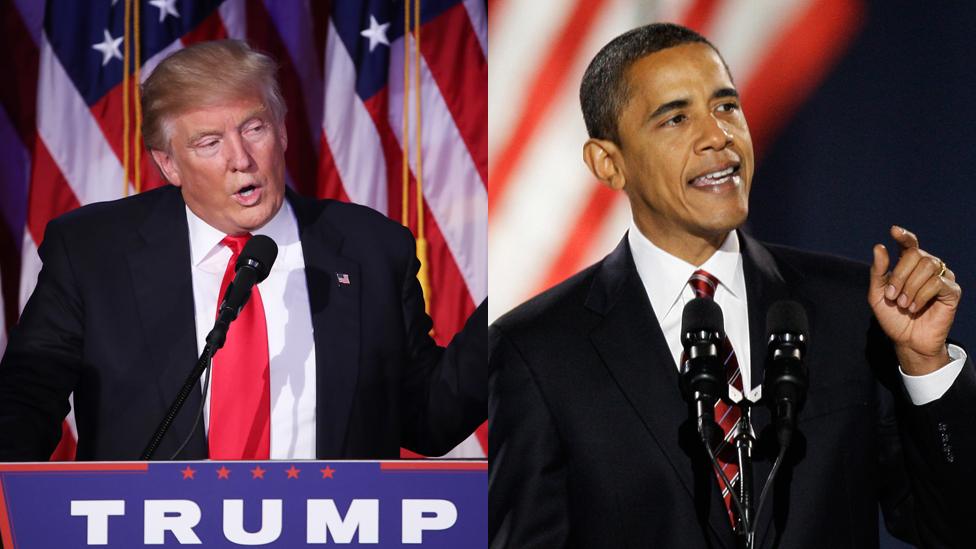
Few political rivalries in modern history have sparked as much debate as Barack Obama versus Donald Trump. They are more than just two former U.S. presidents—they represent two completely different visions of America. One championed hope, diversity, and international cooperation. The other promised disruption, nationalism, and a challenge to the political establishment. Even years after leaving office, their influence continues to shape American politics and divide public opinion.
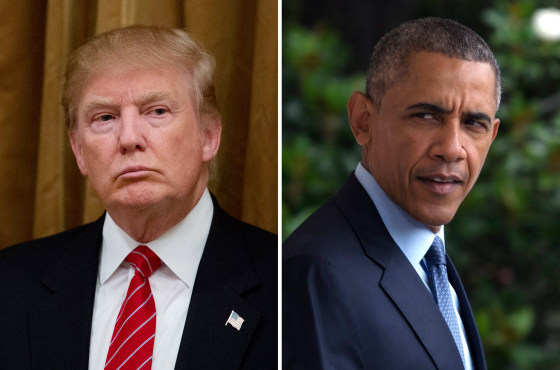
When Barack Obama entered the White House in 2009, America was facing one of the worst economic crises since the Great Depression. Banks were collapsing, unemployment was soaring, and millions of Americans were struggling financially. Obama campaigned on a message of "Hope" and "Change," inspiring voters who believed the country needed a fresh start. His election was historic, making him the first African American president in U.S. history and a symbol of progress for many Americans.
Donald Trump arrived on the political scene from a completely different background. Before entering politics, he was known as a businessman, real estate developer, and television personality. Unlike Obama, Trump positioned himself as an outsider who would shake up Washington and challenge the political elite. His famous slogan, "Make America Great Again," resonated with millions of Americans who felt forgotten by traditional politicians.
The contrast between Obama and Trump begins with their leadership styles. Obama was known for his calm demeanor, carefully crafted speeches, and intellectual approach to policy. He often emphasized unity and cooperation, encouraging Americans to focus on what brought them together rather than what divided them.
Trump, on the other hand, built his reputation on direct and often controversial communication. He preferred speaking plainly and forcefully, frequently using social media to communicate directly with supporters. While critics accused him of fueling division, supporters appreciated his willingness to speak openly and challenge political norms.
Healthcare became one of the defining differences between the two leaders. Obama's most significant domestic achievement was the Affordable Care Act, commonly known as Obamacare. The law expanded health insurance coverage to millions of Americans and attempted to make healthcare more accessible. Supporters viewed it as a landmark achievement, while opponents argued it increased costs and government involvement in healthcare.
Trump made repealing Obamacare one of his major political goals. Although he was unable to fully eliminate the law, his administration worked to reduce parts of it and promote alternative healthcare approaches. This debate highlighted a broader ideological divide between the two presidents regarding the role of government in citizens' lives.
Immigration policy became another major battleground. Obama supported comprehensive immigration reform and sought pathways to legal status for certain undocumented immigrants. His administration introduced protections for young immigrants who had been brought to the United States as children.
Trump took a much tougher stance. He prioritized border security, pushed for the construction of a border wall, and implemented stricter immigration policies. Supporters argued these measures protected national security and American jobs. Critics believed they created unnecessary hardship for immigrant families and damaged America's reputation as a welcoming nation.
Foreign policy revealed equally dramatic differences. Obama favored diplomacy and international partnerships. His administration played a key role in the Paris Climate Agreement and negotiated the Iran Nuclear Deal. He believed global challenges required international cooperation and collective action.
Trump adopted an "America First" approach, focusing on national interests above international commitments. He questioned longstanding alliances, withdrew from several international agreements, and encouraged allies to contribute more to defense costs. Supporters praised his focus on American priorities, while critics worried that it weakened the country's global influence.
Economically, both presidents presided over periods of growth, though under different circumstances. Obama inherited an economy in crisis and oversaw a recovery that lasted for years. Unemployment steadily declined during his presidency, and financial markets recovered from the recession.
Trump inherited a growing economy and implemented tax cuts and deregulation policies aimed at stimulating business growth. Before the COVID-19 pandemic, unemployment reached historically low levels, and the stock market experienced significant gains. Supporters credit his economic policies for these achievements, while critics argue that the benefits were unevenly distributed.
Race and social identity became central issues during both presidencies. Obama's election was celebrated worldwide as a milestone in American history. However, racial tensions and debates about inequality remained prominent throughout his time in office.
During Trump's presidency, discussions about race, immigration, and national identity intensified. The nation witnessed heated debates, large-scale protests, and growing political polarization. Both supporters and critics viewed Trump as a powerful symbol of broader cultural and political changes taking place across America.
Perhaps the most remarkable aspect of the Obama-Trump comparison is how each leader transformed his political party. Obama energized younger voters, minorities, and progressives while helping shape the modern Democratic Party. Trump reshaped the Republican Party, strengthening populist movements and attracting voters who felt disconnected from traditional political institutions.
Their rivalry has extended beyond their presidencies. Obama has remained a prominent voice in Democratic politics, while Trump continues to dominate Republican politics. Their competing visions still influence elections, policy debates, and public discussions across the United States.
So who had the greater impact? The answer depends largely on political perspective. Obama supporters point to healthcare reform, diplomatic achievements, and his inspirational leadership. Trump supporters highlight economic growth, border security efforts, and his willingness to challenge established political norms.
What cannot be denied is that both men changed American politics forever. They inspired passionate loyalty, faced intense criticism, and left legacies that continue to shape the nation's future. Their differences reflect deeper questions about government, freedom, identity, and America's place in the world.
In many ways, the story of Obama versus Trump is the story of modern America itself—a nation divided by competing visions yet united by a shared commitment to democracy. Whether one prefers Obama's message of hope and inclusion or Trump's promise of disruption and change, understanding their impact is essential to understanding the political landscape of the 21st century.
As future generations look back on this era, they may remember Obama and Trump not simply as presidents, but as two powerful symbols of a nation struggling to define its future. Their rivalry has become one of the most significant political stories of our time, and its effects will likely be felt for decades to come.