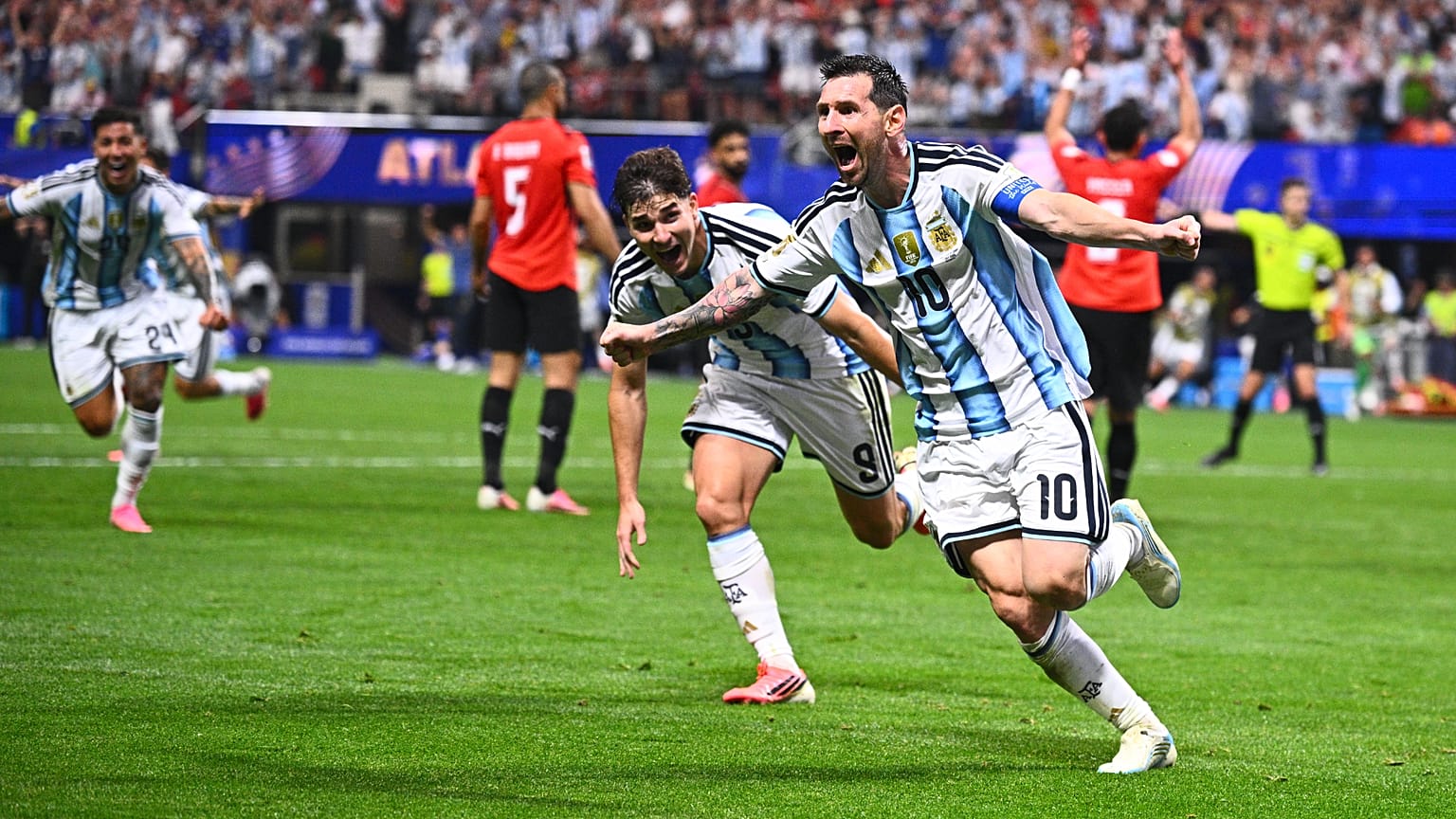
Argentina came back from 2-0 down to beat Egypt 3-2 in a round of 16 thriller that Egypt's coach claims was decided by cheating—a disallowed goal that VAR reversed on a phantom foul, a missed penalty for Egypt that should have been called, and a general pattern of officiating that Egypt believes favored the defending world champions, sparking outrage across the Arab world, calls for FIFA investigation, and conspiracy theories that the tournament is rigged to keep superstars like Messi in contention.
What Actually Happened
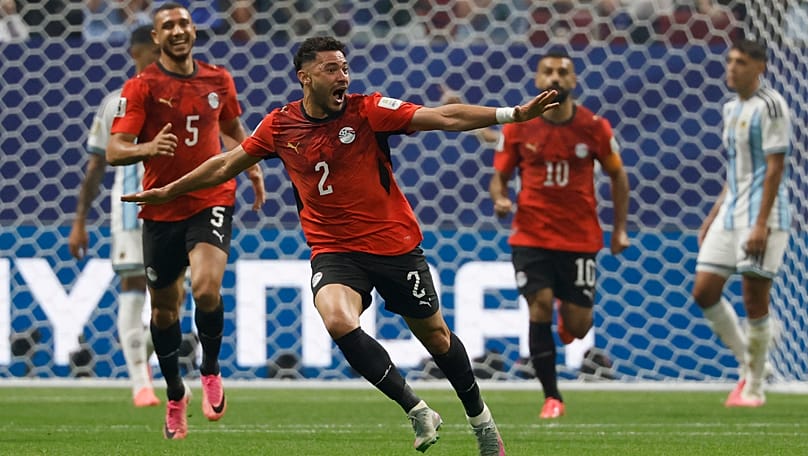
Egypt started like a team on a mission. They took the lead within 15 minutes through Yasser Ibrahim's header. Then Mostafa Zico doubled the lead in the second half, putting Egypt on the brink of their first-ever World Cup quarterfinal appearance. For a nation that had never made it past the group stage before, this was history happening in real time.
Then VAR happened.
With Egypt leading 1-0, Zico scored what looked like a legitimate goal to make it 2-0. But VAR intervened. The officials reviewed the play and ruled that there had been a foul on Lisandro Martinez much earlier in the sequence—so early that most viewers didn't even see it. The goal was disallowed. Egypt's lead remained 1-0 instead of 2-0.
That decision changed everything. It took away momentum, took away the psychological advantage, and gave Argentina hope.
Then came the second controversy. Argentina was awarded a penalty for a trip on Nicolas Tagliafico. Messi stepped up and Mostafa Shobeir saved it. Messi has now missed four of his eight non-shootout penalties at World Cups. This was one of them. But Argentina didn't need that penalty because the Zico goal had already been taken away.
Then, in the buildup to Argentina's winning goal scored by Enzo Fernandez, Egypt claims they should have been awarded a penalty. Alexis Mac Allister pulled Hamdy Fathy inside the box. It was a clear handball-adjacent situation—Mac Allister's arm went up and made contact. But the referee didn't call it. Egypt wasn't given a penalty.
So Egypt's narrative is: we scored a legitimate goal that was taken away on a phantom foul, we weren't given a penalty when we should have been, and Argentina got rewarded with a win they didn't deserve.

The Officiating Question
Here's the legitimate debate: was the VAR decision on Zico's disallowed goal correct? Watch the replay and you can argue both ways. Lisandro Martinez did go down, but it was soft contact. VAR called it a foul. By the letter of the law, it might have been justified. By the spirit of the game, it was harsh.
The penalty Argentina should have been awarded to Egypt is less debatable. Mac Allister clearly grabbed Hamdy Fathy. That looked like a penalty miss by the referee.
So Egypt's case isn't based on pure fantasy. There were legitimate refereeing errors that went against them.
Egypt Coach Hossam Hassan's Explosive Reaction
Hassan didn't hold back in his post-match press conference. He said Egypt had been "cheated unfairly" and "suffered injustice." Then he made the bigger allegation: he suggested that maybe FIFA wanted to keep the world champions in the competition, that maybe they wanted Messi to stay in the running.
"Perhaps they wanted to keep the world champions in the competition. Perhaps they wanted Messi to stay in the running. In football, there are sometimes external factors that go beyond the technical aspects. The world champions received support at every level," Hassan said.
That's an extraordinary accusation. He's essentially saying the tournament is rigged to favor superstars and defending champions.

How People Are Reacting
In Egypt and across the Arab world, the reaction has been furious. Social media exploded with claims of corruption. Fans are devastated because Egypt had actually played well and fought hard. They were minutes away from their first quarterfinal appearance in World Cup history.
In Argentina, the reaction is celebration mixed with some acknowledgment of controversy. Argentine fans aren't denying the calls were questionable—they're just happy their team won. Some are saying "this is what happens when you play against Argentina," implying that the refs favor the big teams.
Outside observers, including neutral analysts, have noted that the officiating was questionable on both ends. But the consensus is that Egypt had legitimate grievances.

FIFA's Non-Response
As of now, FIFA hasn't responded to the allegations. They haven't said anything about investigating the officiating. They haven't commented on Hassan's accusations of favoritism.
This is typical FIFA behavior—when controversy strikes, they stay silent and hope it blows over. They don't investigate their own officials for bias. They don't address structural problems with VAR. They just let it fester.
The Larger Pattern
This isn't the first time people have accused the World Cup of being rigged to favor superstars. France benefited from questionable VAR decisions in 2018. Brazil got favorable calls. When Argentina plays, people note the refereeing tends to go their way.
It's not definitive proof of systematic corruption. But it's a pattern that raises questions about whether the tournament truly operates on a level playing field.
What Comes Next
For Egypt, the tournament is over. They're going home after their best-ever World Cup performance. The pain is real because they genuinely believe they were robbed.
For FIFA, they'll probably just move on and hope the story dies. There won't be a formal investigation. There won't be consequences for the referee. There will be no acknowledgment of wrongdoing.
For the tournament narrative, this becomes another chapter in the World Cup's messy relationship with VAR. The technology was supposed to eliminate controversial decisions. Instead, it's created new controversies because VAR decisions are often subjective and reviewable from multiple angles.
For African and Arab nations watching, this confirms a suspicion many have: that the World Cup's biggest stars get preferential treatment, that developing nations' teams are sacrificed to keep the narrative centered on superstars, and that FIFA doesn't actually care about fairness—they care about keeping the tournament's most famous players in contention
The Reality
Argentina played well in the second half and deserved to advance. They showed resilience. They didn't give up down 2-0.
But they also probably should have lost 2-1 if the officiating had been equal across the board.
Both things can be true simultaneously. Argentina earned the victory through quality play. But Egypt was also robbed by questionable officiating.
The fact that this ambiguity exists is the problem. When a tournament is supposed to be about the world's best teams competing fairly, there shouldn't be this much debate about whether the best team actually won.
Egypt will go home angry. The Arab world will feel vindicated in their suspicion that the World Cup system is rigged against them. And FIFA will do nothing because taking action would require acknowledging a problem they don't want to admit exists.
